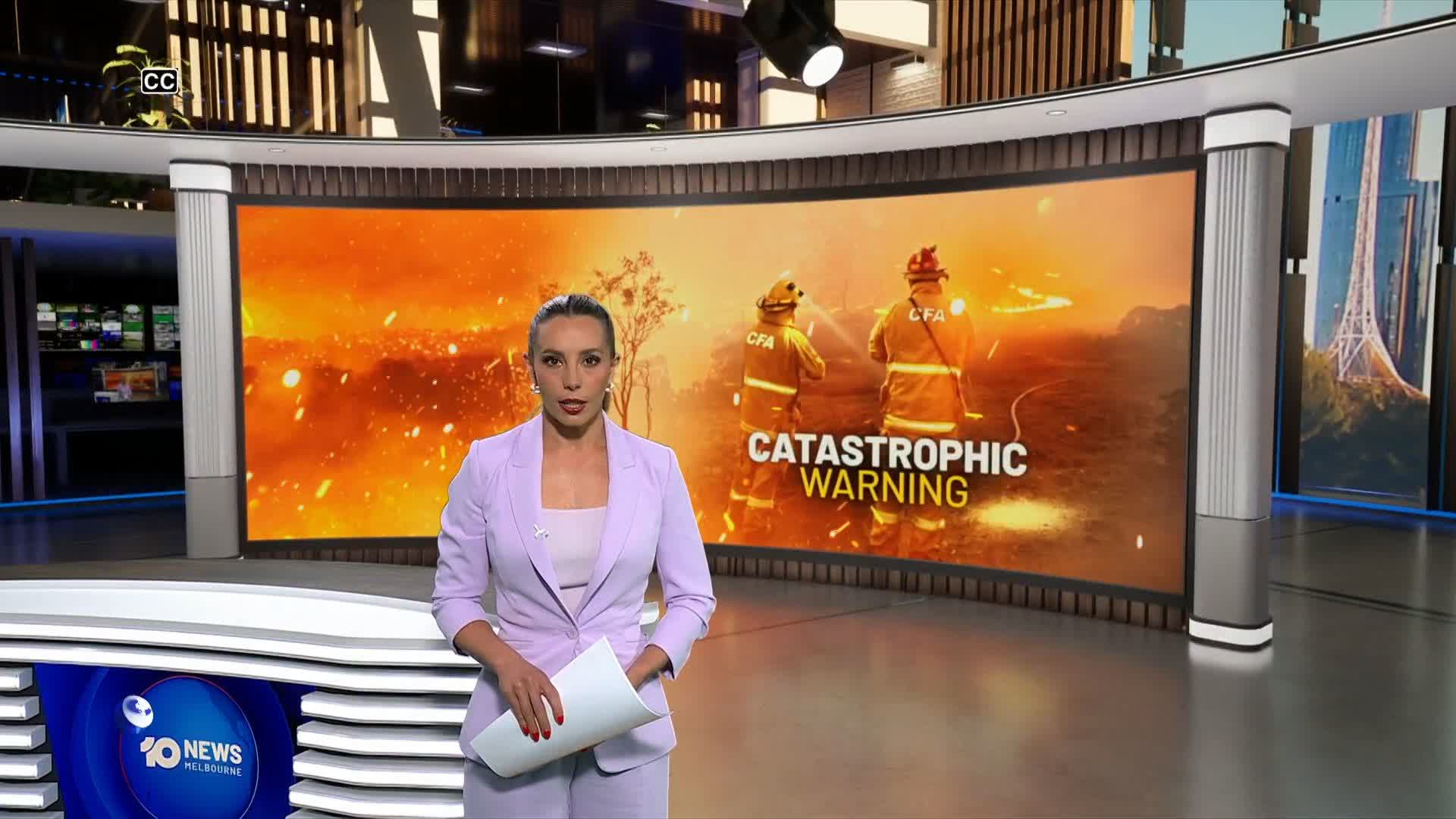
CFA Issues Urgent Evacuation Orders as Grassfire Threatens Geelong Suburbs
In a critical emergency situation that unfolded on December 7, 2018, the Country Fire Authority (CFA) issued an urgent Geelong evacuation warning for several communities due to a rapidly spreading grassfire. Originating near Little River, the uncontrolled blaze posed an immediate and severe threat to residents in Cocoroc, Little River, Mambourin, Manor, Rothwell, and Werribee. The fire was observed travelling in a dangerous south-easterly direction, directly towards Manor Road, making immediate action paramount for the safety of those in its path.
The situation escalated quickly, with specific and emphatic advice for residents in Mambourin and Manor to evacuate immediately. Grassfires, by their very nature, are unpredictable and can spread at an astonishing speed, often outpacing traditional fire-fighting efforts and leaving little time for residents to react. This particular incident highlighted the critical importance of heeding emergency warnings without delay.
The Dire Urgency of Immediate Action
Emergency services underscored the life-threatening nature of the evolving situation. The warnings were clear: failure to evacuate by the specified time of 03:10 pm on December 7, 2018, could be fatal. Beyond this critical window, it was deemed too late to leave, with residents advised to take shelter indoors and protect themselves from the intense radiant heat that precedes the flames. Grassfires generate extreme heat that can cause severe injury or death well before the fire front physically reaches a property. This stark reality serves as a powerful reminder of why immediate compliance with a Geelong evacuation warning is not merely a recommendation but a necessity for survival.
Your Essential Evacuation Checklist: What to Do and Where to Go
When a Geelong evacuation warning is issued, clear-headed action is vital. Here’s a comprehensive guide to what you should do:
If You Are Ordered to Evacuate Now:
- Gather Essentials Immediately: Before leaving, ensure you have your pets, essential medications, mobile phone, and charger. It’s also wise to grab important documents (identification, insurance papers), a small amount of cash, and a change of clothes if time permits.
- Do Not Return Home: If you are already away from your home when the warning is issued, under no circumstances should you attempt to return. Roads may be blocked, and conditions could have deteriorated rapidly, putting your life at extreme risk.
- Understand the Risks of Staying: Emergency services explicitly state that if you choose to stay, they may not be able to help you. This is not a threat but a realistic assessment of their capacity when facing a fast-moving, dangerous fire. Prioritise your life above all else.
Travel to a Safer Location:
When evacuating, it’s crucial to head to a designated safe zone. Options include:
- Designated Relief Centre: For the December 2018 incident, a Relief Centre was opened at Centenary Hall, located at the Corner of Cox Rd and Princes Highway, commencing operations from 2:00 pm. These centres provide a safe haven, essential support, and often basic amenities for evacuees.
- Friends or Family: If you have family or friends living away from the warning area, their homes can be a safe alternative. Ensure they are well outside the potential impact zone.
If You Are in Your Car During a Warning:
- Avoid the Area: If you are travelling and encounter a warning area, do not enter. Perform a U-turn to safety, following all traffic directions from emergency personnel.
- Drive Safely in Smoke: If you must drive through areas affected by smoke, slow down considerably and turn on your headlights to improve visibility. Smoke can drastically reduce visibility and make driving extremely hazardous. Keep your windows closed and air conditioning on recirculate to minimise smoke inhalation.
When Evacuation Isn't Possible: Shelter as a Last Resort
While evacuation is always the safest course of action during a Geelong evacuation warning, there are extreme circumstances where leaving becomes impossible. In such dire situations, sheltering indoors is the absolute last resort, but it carries significant risks and should only be undertaken when all other options have been exhausted and emergency services advise it.
Protecting Yourself Indoors:
- Seal Your Home: Close all exterior doors, windows, and vents to prevent embers and smoke from entering. Turn off all cooling systems, as they can draw smoke into the house.
- Choose a Safe Room: Seek shelter in a room that has a door and/or a window to the outside. This is critical for monitoring the fire's progression and remaining aware of your surroundings. It's not about being able to escape, but about observing the immediate threat.
- Minimise Radiant Heat Exposure: Radiant heat is the primary killer in grassfires. Stay low, away from windows, and if possible, cover yourself with woollen blankets or other protective materials. Fill sinks and bathtubs with water as a last-ditch resource for extinguishing spot fires or for dousing yourself if necessary.
- Have Emergency Tools: Keep buckets of water, a hose, and a fire extinguisher handy if you are choosing to shelter.
It’s important to reiterate: sheltering is a life-threatening decision when faced with a rapidly moving grassfire. The intense heat, smoke, and speed of the fire can overwhelm even well-prepared homes. Always prioritise evacuation when advised by authorities.
Protecting Your Health and Staying Informed During a Geelong Evacuation Warning
During a fire emergency, staying safe extends beyond physical danger to include health precautions and access to reliable information.
Understanding the Health Impacts of Smoke:
Smoke generated by grassfires contains fine particles and gases that can seriously affect health. While anyone can be affected, certain groups are particularly vulnerable:
- Sensitive Individuals: People with pre-existing heart or lung conditions (including asthma), children, pregnant women, and older people are more susceptible to the effects of smoke inhalation.
- Action for Vulnerable Groups: Those with existing heart or lung conditions should strictly follow their doctor's treatment plan. If you experience wheezing, chest tightness, or difficulty breathing, call Triple Zero (000) immediately.
- General Advice: If you need medical advice for burns or smoke exposure, seek medical attention or call Nurse on Call on 1300 606 024. If you cannot smell smoke, it's unlikely you are being significantly exposed.
Staying Reliably Informed:
During an emergency like a Geelong evacuation warning, information is dynamic. Relying on multiple, official sources is crucial:
- VicEmergency Hotline: Freecall 1800 226 226 for direct, up-to-date information.
- VicEmergency App: Download the official app for real-time alerts and incident maps.
- Social Media: Follow official channels like VicEmergency on Facebook or Twitter using hashtags like #vicfires. Be cautious of unofficial posts.
- Broadcast Media: Tune in to ABC Local Radio, commercial, and designated community radio stations, or Sky News TV for ongoing coverage and updates. A battery-powered radio is an excellent investment for power outages.
- Accessibility: For non-English speakers, services like the Translating and Interpreting Service can help access emergency information.
Proactive Preparedness: Beyond the Immediate Crisis
While the December 2018 Geelong evacuation warning was a specific event, it serves as a powerful reminder for all residents in fire-prone regions like Geelong and its surrounds to maintain a high level of preparedness year-round. Being proactive can dramatically reduce risk and enhance safety during future fire seasons.
Develop and Practice a Bushfire Survival Plan:
Every household should have a clear, written plan that outlines what you will do if a fire threatens. This includes:
- "Leave Early" or "Stay and Defend": Understand the conditions under which you would implement each strategy, and know that "stay and defend" comes with significant risks and requires a well-prepared, robust property and fit, experienced occupants.
- Meeting Points: Designate an indoor and an outdoor meeting point for your family.
- Communication: Ensure all family members know how to contact each other and have emergency contact numbers readily available.
- Pets and Animals: Plan for the safe evacuation or sheltering of all animals.
Prepare Your Property:
Reducing fuel around your home is one of the most effective ways to increase its survivability:
- Clear Vegetation: Maintain lawns, clear gutters of leaves, and remove flammable materials from around your house. Create a defendable space that extends at least 20 metres from your home.
- Maintain Access: Ensure vehicle access to your property is clear for emergency services.
- Protect Openings: Install metal screens on windows and ember guards on vents to prevent embers from entering your home.
Assemble an Emergency Kit:
Beyond the immediate evacuation essentials, a comprehensive emergency kit should be ready at all times. This can include extra clothing, non-perishable food, water, a first-aid kit, a battery-powered radio, torches, and spare batteries. For a more detailed guide, refer to our article: Geelong Evacuation Guide: What to Do Amidst Grassfire Warning.
Community Vigilance and Education:
Fires are a community responsibility. Understand your local fire risks, participate in community fire safety initiatives, and stay informed about the fire danger ratings. The collective preparedness of a community is its strongest defence against the devastating impact of fires.
The urgent Geelong evacuation warning issued during the Little River grassfire of 2018 was a stark reminder of the ever-present threat of fire in Victoria's diverse landscape. Heeding emergency advice promptly, understanding evacuation protocols, and maintaining year-round preparedness are not just recommendations but vital actions that safeguard lives and property. By staying informed through official channels and actively engaging in fire readiness, communities in and around Geelong can enhance their resilience against future fire challenges.